

 Uncategorized
Gas Turbine Silencer: Working Principle, Types and Industrial Applications
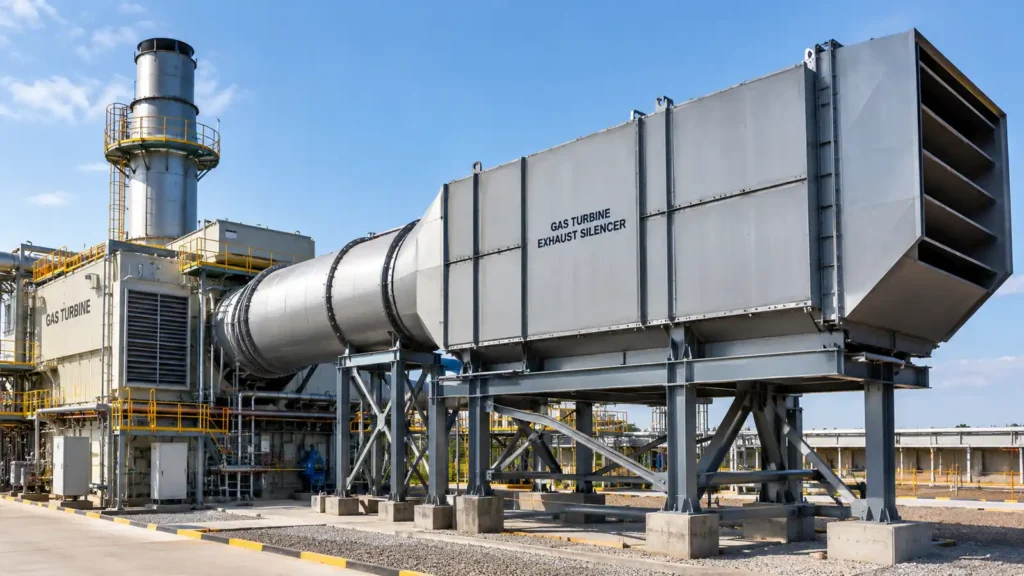
Gas Turbine Silencer: Working Principle, Types and Industrial Applications
Gas turbines are widely used in power generation, oil and gas facilities, industrial plants and other energy-intensive applications. They provide reliable power and operational flexibility, but their exhaust systems can generate significant noise during operation. Managing this noise is important for maintaining a safer working environment and meeting applicable industrial noise requirements.
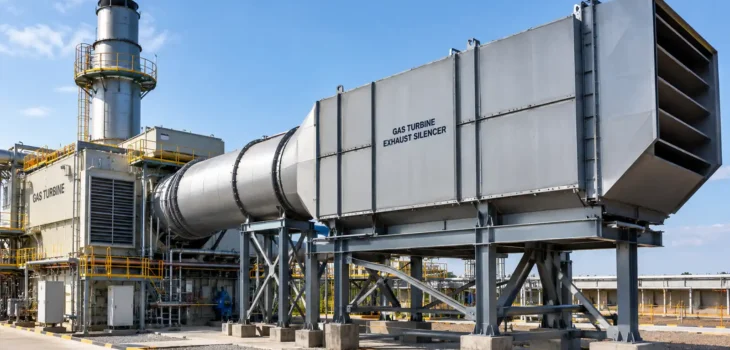
A Gas Turbine Silencer is an important component of an exhaust noise control system. It reduces noise from fast exhaust gases, while letting the gases flow through the system with acceptable pressure loss. Proper silencer selection helps improve acoustic performance without unnecessarily affecting gas turbine efficiency.
In this article, we explain how gas turbine silencers work, their main types, key design points, and uses in many industries.
What Is a Gas Turbine Silencer?
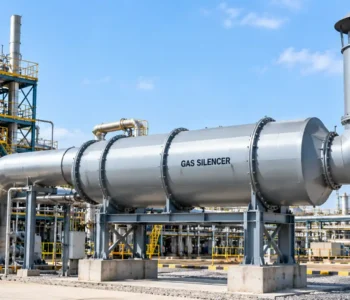
A gas turbine silencer is a specially designed acoustic device. Technicians install it in the exhaust duct or exhaust system of a gas turbine. Its primary purpose is to reduce the sound generated by high-temperature exhaust gases discharged from the turbine.
Gas turbine exhaust noise can result from high gas velocities, turbulent flow, combustion-related noise and mechanical operating conditions. Without an appropriate noise control arrangement, this sound can affect nearby equipment, plant personnel and surrounding communities.
Engineers design gas turbine silencers according to operating conditions, including exhaust gas temperature, flow rate, operating pressure, acoustic requirements, and allowable pressure drop.
Depending on the installation, the silencer may be part of a larger exhaust system. It may include ducting, expansion sections, supports, and a stack.
How Does a Gas Turbine Silencer Work?
A gas turbine silencer works by controlling the transmission of sound waves generated by exhaust gas flow. It uses acoustic elements to reduce sound energy as exhaust gases pass through the equipment.
The working principle generally involves sound absorption, sound attenuation and flow management.
1. Sound Absorption
Absorptive silencers use specially selected acoustic materials to absorb sound energy. Sound waves enter the acoustic sections. Some of the energy becomes a small amount of heat. This happens because of friction and movement in the material.
The selection of acoustic materials depends on exhaust temperature, gas composition and operating conditions. High-temperature applications require suitable materials and protective arrangements.
2. Sound Attenuation
Silencer geometry and internal acoustic arrangements help reduce sound transmission across selected frequency ranges. Depending on the design, acoustic elements may include absorptive sections, resonating chambers or reactive components.
We develop the arrangement according to the noise spectrum and the required attenuation.
3. Exhaust Gas Flow Management
A gas turbine silencer must reduce noise without creating excessive resistance to exhaust gas flow. Engineers design internal flow passages to maintain suitable gas velocity and minimize unwanted turbulence and pressure losses.
This balance between acoustic performance and aerodynamic performance is an essential part of silencer engineering.
Types of Gas Turbine Silencers
Different silencer configurations are used depending on the gas turbine application, exhaust characteristics and required noise reduction.
1. Absorptive Gas Turbine Silencer
Absorptive silencers use acoustic insulation materials installed within specially designed sections. People commonly use them to reduce broadband noise across a range of frequencies.
Their performance depends on the acoustic material, thickness, arrangement and operating frequency range.
2. Reactive Gas Turbine Silencer
Reactive silencers use chambers and changes in flow passage geometry to reduce sound transmission through reflection and interference.
They help control particular low-frequency noise components in applications that require it.
3. Combined Reactive and Absorptive Silencer
Some industrial applications require a combination of reactive and absorptive noise control methods.
Engineers develop combined designs to address different frequency ranges while maintaining the required exhaust flow characteristics.
The appropriate configuration depends on the turbine operating conditions and acoustic performance requirements.
Important Design Considerations for Gas Turbine Silencers
Designing a gas turbine silencer requires careful evaluation of both acoustic and mechanical requirements.
Exhaust Gas Temperature
Gas turbine exhaust systems operate at elevated temperatures. Materials used in silencer construction must withstand the specified operating and design temperatures.
You must also consider thermal expansion, material compatibility, and insulation arrangements.
Exhaust Gas Flow Rate
The exhaust flow rate influences the silencer dimensions, internal passage arrangement and overall aerodynamic performance.
Design the equipment to accommodate the specified gas flow without creating unacceptable back pressure.
Noise Reduction Requirements
Noise reduction requirements should be established through acoustic assessment. The frequency spectrum, sound pressure levels, measurement locations and applicable noise limits are important inputs.
Evaluate silencer performance against the required insertion loss or overall noise reduction criteria.
Pressure Drop
Excessive pressure drop in the exhaust system can affect gas turbine performance. Therefore, the silencer design must balance noise attenuation with acceptable aerodynamic resistance.
Material Selection
Material selection depends on operating temperature, exhaust gas composition, corrosion conditions and mechanical requirements.
Depending on the application, engineers may consider suitable high-temperature materials and corrosion-resistant grades.
Mechanical Strength and Structural Design
The silencer must withstand its own weight, thermal expansion, vibration, wind loading where applicable and other specified mechanical loads.
Proper support arrangements, structural reinforcement and connection details are important for long-term reliability.
Applications of Gas Turbine Silencers
Gas turbine silencers are used in several industries where gas turbines operate for power generation or mechanical drive applications.
Power generation plants use gas turbine exhaust systems. These systems need effective noise control. This helps power stations meet their noise management requirements.
Oil and Gas Industry: Gas turbines drive compressors and generate power in oil and gas processing facilities. Silencers help control exhaust noise in these installations.
Petrochemical Plants: Industrial gas turbines support various process operations. Exhaust silencing arrangements help manage noise around operating equipment.
Industrial Manufacturing Facilities: Manufacturing plants using gas turbine-based power systems may require customized exhaust noise control equipment.
Combined Cycle Power Plants: Gas turbines operating alongside steam turbine systems require appropriately engineered exhaust arrangements based on plant configuration.
Common Challenges in Gas Turbine Silencer Selection
Selecting an unsuitable silencer can create operational and maintenance difficulties.
Some common challenges include:
- Inadequate noise reduction at critical frequencies.
- Excessive exhaust system pressure drop.
- Acoustic material degradation because of high temperatures.
- Thermal expansion and mechanical stress.
- Corrosion caused by operating conditions.
- Improper installation and support arrangements.
- Difficulty accessing internal components for inspection and maintenance.
A detailed engineering assessment before manufacturing and installation helps address these challenges.
How to Choose the Right Gas Turbine Silencer Manufacturer
Selecting an experienced industrial silencer manufacturer is important for achieving the required acoustic and mechanical performance.
Before finalizing a manufacturer, consider the following factors:
Engineering Capabilities: Evaluate the manufacturer’s ability to understand exhaust operating conditions, acoustic requirements and pressure drop limitations.
Material and Fabrication Expertise: Check experience in manufacturing equipment for high-temperature industrial applications.
Quality Control: Review welding procedures, inspection practices, material traceability and applicable quality documentation.
Customization: Gas turbine exhaust systems differ between installations. The manufacturer should be able to develop solutions based on project-specific drawings and technical requirements.
Testing and Documentation: Confirm the availability of relevant inspection reports, material certificates, dimensional records and acoustic performance documentation as required by the project.
Why Proper Gas Turbine Silencer Design Matters
A properly engineered gas turbine silencer supports effective industrial noise management while maintaining suitable exhaust flow conditions.
The right design can reduce noise exposure, support environmental compliance, improve workplace conditions, and ensure reliable long-term operation.
For this reason, silencer design should consider the complete exhaust system rather than focusing only on acoustic attenuation.
Conclusion
Gas turbine silencers play an important role in controlling exhaust noise across power generation, oil and gas, petrochemical and industrial manufacturing facilities. Their performance depends on suitable acoustic design, material selection, mechanical strength and aerodynamic considerations.
Choosing the right Gas Turbine Silencer needs a clear understanding of exhaust gas temperature and flow rate. You should also consider the noise spectrum and the allowed pressure drop. Working with an experienced industrial silencer manufacturer helps ensure the equipment meets site requirements.
Anpam Engineering manufactures industrial silencers for steam, air and gas applications, with engineering and fabrication solutions developed around project-specific requirements. For industrial exhaust noise control requirements, contact Anpam Engineering to discuss your project specifications.